
Maks Kazancevs: About Studying in the U.S., Tennis Scholarships, and Pickleball Dreams
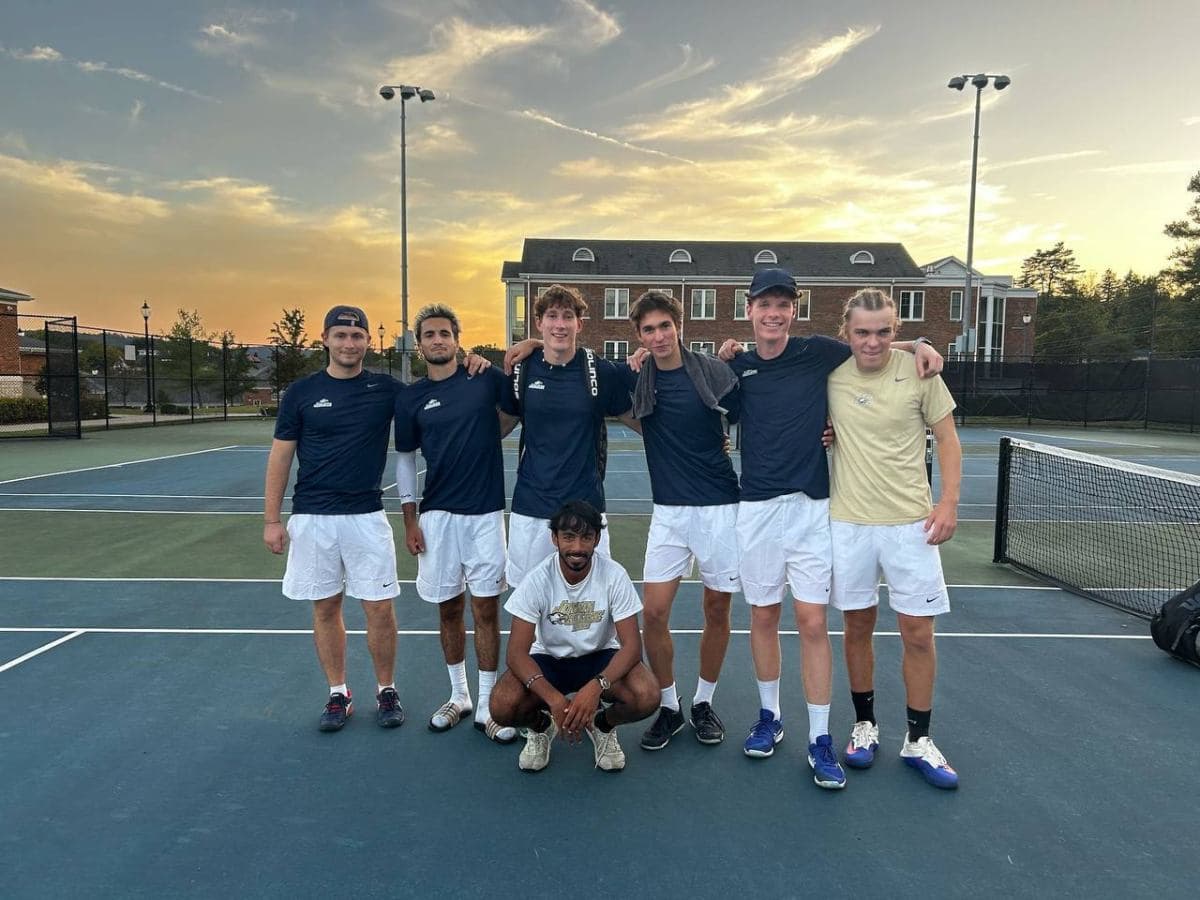
We all know Maks Kazancevs — one of Latvia’s top tennis players and the reigning national champion in pickleball. In September 2025, Maks moved to the United States to study at a university, earning a partial scholarship after joining the university tennis team. In this interview, Maks talks about how he got into a U.S. university, what life and tennis training are like there, and his experience and future plans in pickleball. ⸻ Topic 1: Studying in the U.S. and the Admission Process Q: Tell us about your college in the U.S. Where did you enroll? I enrolled at Juniata College, a small university in the student town of Huntington, Pennsylvania. It’s about a 30-minute drive from Penn State, the state’s main university. The campus is cozy and everything is close by — classrooms, sports halls, and tennis courts are all within walking distance, which made it easier to adapt to a new environment. ⸻ Q: How did the admission process work for you? The process was long and multi-step. I started in the winter of last year, roughly six months before moving. First, I registered on a platform designed for athletes who want to study in the U.S. It’s a site where students can showcase themselves, and coaches can find new players for their teams. I filled out my profile: my school grades, tennis results, and UTR rating, which shows my level of play. Coaches evaluate this information and decide if a player fits their team. Then, coaches who were interested contacted me. We started with chats, then had calls to discuss details: the university, my expectations, tuition costs, and potential scholarships. It was an extensive process with multiple conversations, where we discussed how I would fit into both the team and campus life. After evaluating all options, I made my decision to join Juniata College. ⸻ Q: Why did you choose the U.S. instead of Europe, where you could have pursued professional pickleball? I’ve always been drawn to studying in the U.S. When I was 10, I traveled to Florida for a tennis tournament, and since then, studying in America became my dream. Many older tennis players I knew went to the U.S. and spoke very positively about their experience. They could balance sports and studies, and the facilities were excellent. In Europe, combining education and professional sports is difficult. I would have had to travel constantly for pickleball tournaments, miss classes, and cover all travel expenses myself. In the U.S., everything is on campus: courts, classes, and training are nearby, and the university supports student-athletes. This allows me to develop my tennis while getting a good education. ⸻ Q: What advice would you give to parents of a 12-year-old tennis player who dreams of a scholarship in the U.S.? First, take your child to as many tournaments as possible, especially international tournaments that count toward UTR. UTR is the main ranking that U.S. universities consider. Play in high-level tournaments against stronger opponents. Even if you lose, a good performance can still raise your UTR. Train regularly with stronger players, even if they’re not from your club. Focus on improving your serve — it’s crucial for dominating at 16–17 years old. If the dream university isn’t immediately accessible, consider transferring later. You can build your ranking in the U.S., attract interest from other universities, and move to the school you wanted. The main thing is to start the journey and secure a spot in the system. ⸻ Topic 2: Life and Tennis at University Q: How is your life and studies in the U.S. right now? I really enjoy studying here. People are super friendly. Professors are approachable and explain the material well. Compared to Europe, I think studying in the U.S. is a bit easier — there’s less homework, more emphasis on understanding the material and applying it in practice. I balance my studies with training and the gym. Practices are daily at 5:00 PM. The first half-hour is warm-up, then we work on technique and game situations. After practice, we have dinner, and in the evening, I either study in the library or play piano. My daily schedule is structured: wake up at 6:45, gym at 7:00, classes from 8:00, breakfast, a few more classes, lunch, tennis, dinner, and then homework or piano. I go to sleep around 11:00 PM. The campus is small, so everything is within a five-minute walk, which saves a lot of time. ⸻ Q: Tell us about your first season in university tennis. In the U.S., tennis is a spring sport, so in the fall we only had three matches — more like a pre-season. Fall training included five tennis sessions a week plus two gym sessions — not very intense compared to the real season. In the spring, we’ll have about 25 matches, and training intensity will increase. This is a great opportunity to improve skills and learn to balance sports with academic responsibilities. ⸻ Q: Have you played any tournaments outside your university? Yes. Our team went to Virginia for a singles tournament where players compete individually. I reached the semifinals and improved my rating. Right now, the focus is on preparing for the main season with team matches. ⸻ Topic 3: Pickleball and Future Plans Q: Do you have experience playing pickleball in the U.S.? Yes, I’m lucky to have a teammate who also loves pickleball and has a car. In September, we went to a tournament in Virginia. I played in the top category and won first place, beating the best Portuguese player 11–0, 11–2. We even set up a pickleball court on a tennis court, with lines, a net, and equipment. Sometimes we play before or after tennis training to practice and prepare for tournaments. In Pennsylvania, tournaments are limited — most are in Florida, Texas, or California. But in February, there will be events within three hours of us, and we plan to participate. ⸻ Q: How do you see the future of pickleball in the U.S.? Pickleball is extremely popular here — the second most discussed sport after American football. Everyone plays: athletes from other sports, teachers, students. It’s entering universities with more teams, scholarships, and coaching opportunities. Currently, there’s a full program in only one university, but over the next few years, collegiate pickleball will grow rapidly. ⸻ Q: Tell us about the Latvian championship and playing with your brother. Playing and winning with my brother was one of my dreams. Winning the Latvian championship together was a very special moment for us and for our parents. I see how much he’s improved, and I hope he continues playing pickleball. I help him find tournaments and explain that by the time he graduates, opportunities for scholarships and university programs in the U.S. will be much greater. ⸻ Q: Do you plan to play professional pickleball tournaments? Yes. That was one of the reasons I chose the U.S. — all major professional tournaments take place here. Right now, it’s hard to balance them with the tennis season, but after the semester ends in May–June, I plan to play in professional tournaments and then return to Latvia.
Nikita Ribakovs
Author
23/01/2026 22:14 UTC